Products Description
The ASTMB33 specification outlines the requirements for the use of tinned soft copper or annealed copper wire in electrical applications. This includes the scope of use and references to other important documents. Additionally, the standard defines the material requirements necessary to ensure quality and safe electrical performance.
Pure industrial tin must be used for plating, according to the specifications. In order to qualify as pure tin, the total amount of elements other than copper should not exceed 1%. However, it is worth noting that this specification does not necessitate a chemical analysis of the tin coating. The tin layer needs to be continuous and meet the requirements for adhesion of the coating.
In order to meet the requirements of this Code, the quality and purity of the copper base metal must be suitable for the intended finished product. The manufacturer and purchaser can come to an agreement regarding the use of copper materials, as long as they satisfy the requirements of this Code, unless specific qualities, shapes, or types are required. Therefore, copper is a valuable material that can be utilized in various applications as long as it meets the necessary standards.
In order to ensure proper functioning and reliability of various products, including electrical components, standard performance requirements must be met. These requirements may include specifications for the monofilament diameter deviation, elongation, and electrical properties, as well as the tensile strength of the material. Additionally, the quality of the copper used in tin plating must meet certain standards, and packaging requirements must also be taken into account. Furthermore, certain products may have unique characteristics that require specific testing or assessment, which will also need to be addressed. Overall, meeting these various requirements ensures that products are safe and effective for their intended purposes.
The process of creating a tinned conductor involves using copper rods that are drawn into wire. This copper wire is then subjected to a hot tinning process where a thin layer of tin is plated onto its surface. This method ensures that the conductor is made of pure copper with a protective coating of tin.
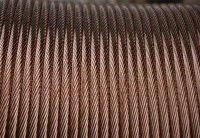
Tin, being a silver metal, imparts a silver hue to the appearance of this thread. It's only fitting that the thread looks silver, given the nature of the material used. Can you think of any other metals that have an unmistakable appearance?
Tinned copper wire is known for its softness and excellent electrical conductivity. In comparison to bare copper wire, it offers enhanced resistance against corrosion and oxidation. This enhanced resistance leads to a significantly longer lifespan for low current cables.
Tin plating bare copper is an effective way to improve its inherent properties, resulting in a longer shelf life. The addition of metallic alloys enhances its natural qualities, making it more resistant to harsh environmental conditions such as high temperature, humidity, and moisture. Furthermore, tinned copper is easier to join due to the presence of tin, which is the primary component in the solder. Tinned copper offers superior protection and durability, making it an ideal choice for a wide range of industries.

Product characteristics
After undergoing annealing treatment, tinned copper wire exhibits excellent flexibility and plasticity. Its soft nature makes it easy to manipulate and shape.
Tinned copper wire exhibits excellent solderability, making it exceptionally suitable for seamless connections in the manufacturing process. The surface of this wire type is readily weldable, simplifying the connection process and enhancing convenience.
Tinned copper wire possesses excellent resistance to high temperatures, allowing it to endure baking at 200℃ for a duration of 7 minutes without exhibiting any signs of yellowing or the formation of black spots. Additionally, its resistance to oxidation is relatively poor.
Coating copper wire with a layer of tin has several advantages. It can inhibit the rubber insulation from adhering to the wire, thereby reducing the risk of the wire core becoming fragile and discolored. Moreover, tinning can improve the wire's ability to conduct electricity and dissipate heat, as well as enhancing its soldering characteristics. Additionally, tinning can prevent the occurrence of a REDOX reaction and the formation of a patina on the wire's surface, which can ultimately improve the overall performance of the wire.
Application field
There are a multitude of cables available that can be used to derive tinned copper wire. These cables include power cables, communication cables, control cables, and special cables. These cables play an essential role in various industries, such as power, railway, communications, aviation, and ships. Tinned copper wire is a popular choice in these industries due to its high quality and reliability.

Physical property
Tinned copper wire, the material is relatively soft, good electrical conductivity, compared with bare copper wire, its corrosion resistance, oxidation resistance is stronger, can greatly extend the service life of weak current cable.
QA&QC Quality assurance and quality control
Tinned copper wire must be produced and inspected according to ASTM B33 ASTM B33, European standard (IEC60228), Japanese standard (JCS, JASO), NFC, MTT, DIN, etc.
Packing, storage, handling and transportation
After the completion of the production of the tinning line, it must be packed, stored, transported and transported in strict accordance with the prevailing standards of the customer and the industry to ensure that the product is not damp and not hurt.
PARTNERS

Hot Tags: astmb33, China astmb33 manufacturers, suppliers, factory